327 Central Prk W #1C, New York, NY 10025



Caring for your child’s smile starts long before their adult teeth come in. Strong dental hygiene habits in childhood prevent cavities, gum problems, and future dental issues. Parents often wonder how to make brushing fun or how to ensure kids build consistent habits. The good news is that small steps today can create healthy routines that last a lifetime.
Why Early Dental Habits Matter
Children’s teeth may be small, but they are essential for daily life. Developing hygiene skills early reduces the risk of decay and teaches responsibility for personal care. Establishing structure also makes future dental visits easier and less stressful for your child.
Top Oral Hygiene Tips & Tricks for Children
To ensure your little ones get in the habit of maintaining their dental health, here are some effective strategies:
- Make Brushing Fun and Engaging: Brushing your teeth shouldn’t feel like a chore. Consider using toothbrushes with characters or lights that appeal to kids. Play a two-minute song during brushing to keep them entertained and ensure the correct brushing time. Reward your little ones with sticker charts to motivate them to stick with the habit.
- Choose the Right Tools: Soft-bristled brushes are gentle on young gums, while fluoride toothpaste strengthens developing enamel. If bristles fray, replace brushes every three months or sooner. Floss picks designed for children are easier to handle and encourage daily cleaning between teeth. A pediatric dentist in New York often recommends age-appropriate tools that make hygiene simpler for families.
- Teach Proper Brushing Technique: Supervision is important until children can brush effectively on their own, usually around age 7 or 8. Teach them to angle the brush toward the gumline and use gentle, circular motions. Remind them to cover every tooth surface, including the back molars, where plaque hides.
- Encourage Healthy Eating Habits: Snacks and drinks impact oral health more than many parents realize. Sugary treats and juices promote bacteria that cause cavities. Instead, encourage fresh fruits, vegetables, cheese, and water. Offering these options consistently reduces sugar exposure and benefits overall health as well.
- Make Flossing a Daily Routine: Flossing can be tricky for kids, but introducing it early prevents gaps from becoming breeding grounds for bacteria. Start with floss sticks for small hands and demonstrate how to glide gently between teeth. Consistent practice develops confidence and a habit from a young age.
- Lead by Example: Children often copy what their parents do. Brushing and flossing together can make hygiene feel like a family activity. Your involvement demonstrates that dental care is important and non-negotiable. This shared time also allows you to check if your child is brushing correctly.
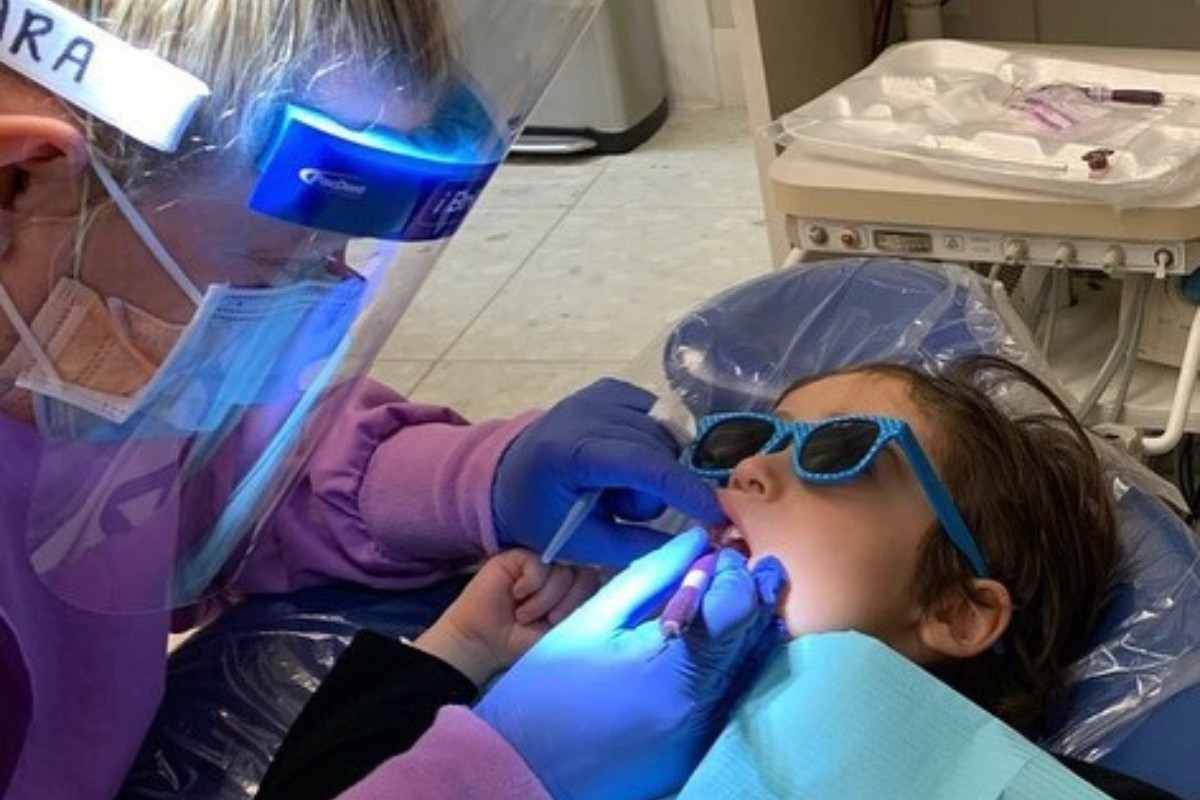
- Regular Dental Checkups: Routine visits to a pediatric dentist in New York are critical for monitoring growth, spotting early issues, and reinforcing hygiene education. Professional cleanings remove tartar that brushing and flossing miss. These visits also provide parents with personalized guidance based on a child’s needs.
Your Child’s Healthy Smile Begins with Daily Care
Raising kids with healthy smiles requires consistency, patience, and the right techniques. From choosing engaging tools to promoting healthy snacks, every small step matters. With guidance and regular checkups, children can enjoy bright, cavity-free smiles for years to come.
Ready to support your child’s oral health? Book an appointment with Central Park West Pediatric Dentistry today and help your child build strong habits that last a lifetime.
When should children start brushing their teeth?
Brushing should start when the first tooth emerges. Parents can use a soft baby toothbrush or a damp cloth.
How often should kids brush their teeth?
Children should brush twice daily, once in the morning and once before bedtime, for two minutes each time.
At what age should kids start flossing?
Flossing should begin when two teeth touch. Parents may need to help until the child develops proper dexterity.
Are dental sealants safe for kids?
Yes. Sealants provide a protective barrier on molars, helping prevent cavities in hard-to-reach chewing surfaces.
How often should children visit the dentist?
Kids should have checkups every six months. Regular visits ensure early detection and prevention of dental problems.