327 Central Prk W #1C, New York, NY 10025

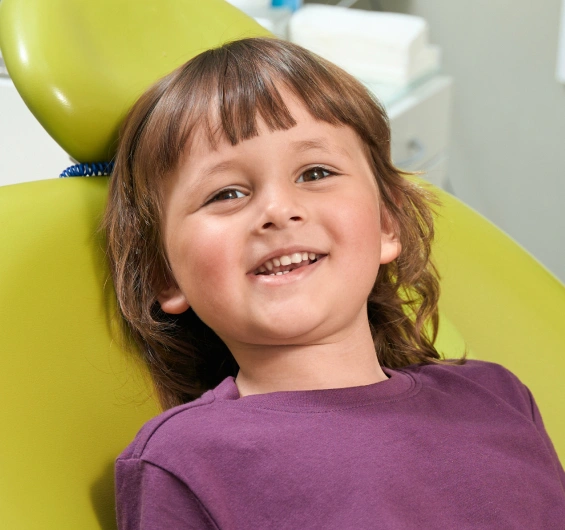
Gentle Beginnings for Lifelong Smiles
At Central Park West Pediatric Dentistry, we believe that establishing healthy dental habits early is key to a lifetime of bright smiles. Providing early dental care for your child is our priority, creating a positive and comfortable experience for their first visits and beyond.
A child’s first dental visit should be scheduled around his/her first birthday. The most important part of the visit is getting to know and becoming comfortable with a doctor and his staff.
Understanding Teething & Comforting Your Baby
Normally, the first tooth comes in between 6 to 12 months of age. Gums can be sore, tender, and sometimes uncomfortable until the age of 3. You can gently rub your baby’s gums with a clean finger, the back of a cold spoon, or a cold, wet cloth to help ease the discomfort. Teething rings can also be soothing. Try to avoid teething biscuits—they often contain sugar that’s not good for baby teeth.
While your baby is teething, it’s important to keep an eye on their teeth for early signs of baby bottle decay. Check their teeth every two weeks, especially on the inside or tongue side, for dull white spots or lines. Letting your baby fall asleep with a bottle that contains anything other than water can lead to decay. That’s because sugar in milk, juice, or other drinks mixes with bacteria in the mouth to form acids. These acids can damage the tooth enamel.
When a baby is awake, saliva helps wash away the liquid. But during sleep, saliva slows down, and the sugary liquid can stay on the teeth longer, increasing the risk of cavities. Preventing baby bottle tooth decay is a key focus of early pediatric dental care.
Caring for Your Infant’s New Teeth
Baby teeth, also called primary teeth, are very important. They help your child chew food properly and speak clearly. They also guide the adult teeth into the right position when they start to come in around age 6.
If a baby tooth is missing or falls out too early, nearby teeth can shift into the empty space. This can make it harder for adult teeth to come in straight. In some cases, a dentist may recommend a space maintainer to keep the space open. If your child has missing teeth, be sure to mention it to your dentist.
Taking care of baby teeth builds healthy habits and sets the stage for taking care of adult teeth later. Kids are just as likely as adults to develop plaque and gum issues, so regular brushing, healthy routines, and dental checkups are important right from the start.
Frequently Asked Questions
Schedule Your Child’s First Dental Visit in NY
Ready for your child’s first dental appointment, or looking for experienced pediatric dentistry in New York? Contact Central Park West Pediatric Dentistry! We are located at 327 Central Prk W #1C, New York, NY 10025. Call us at (212) 280 1700 to schedule your child’s visit and give them the gift of excellent early dental care.