327 Central Prk W #1C, New York, NY 10025


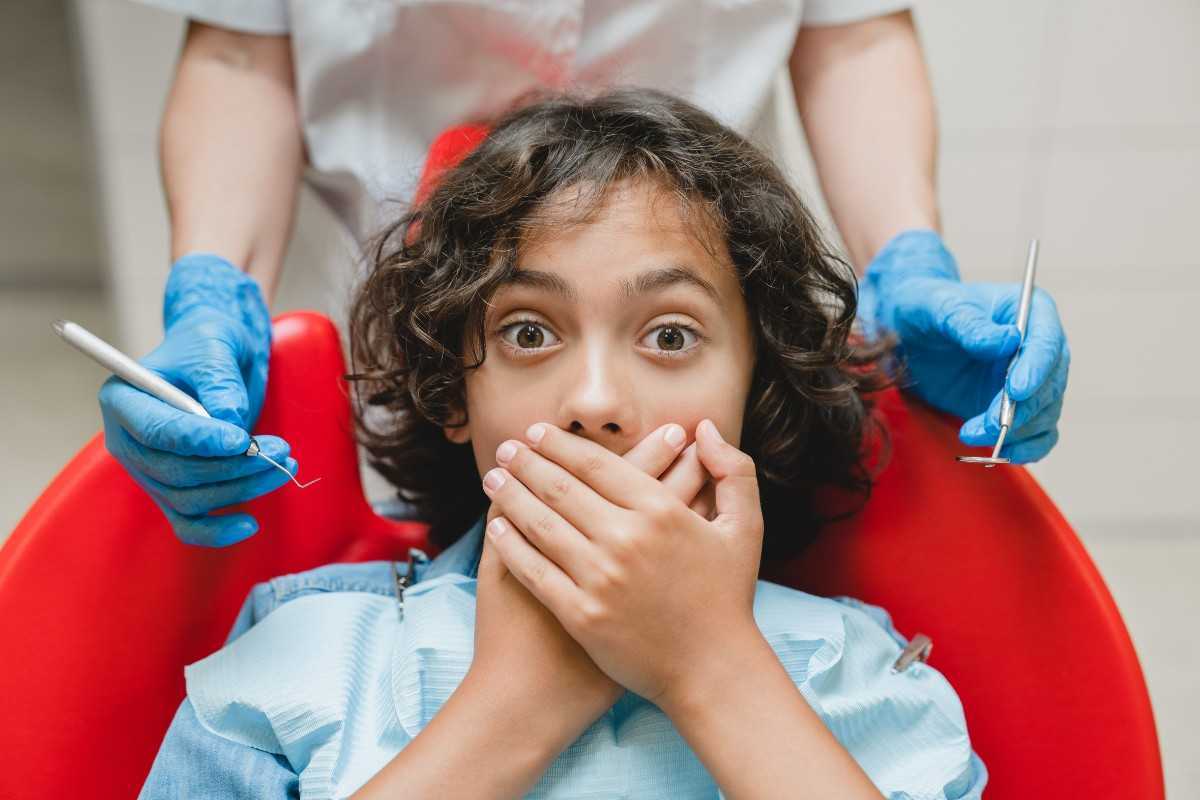
A sudden dental issue can disrupt even the most planned day. One moment, your child is enjoying a sunny afternoon at Central Park or playing after school at the J.J. Byrne Playground, and the next, they’re dealing with pain or injury. These situations can feel overwhelming, but knowing what to do helps you stay in control and protect your child’s smile. Understanding how to respond quickly and correctly can make a lasting difference in both comfort and long-term tooth health.
What Situations Are Considered Dental Emergencies In Children?
Not every oral issue requires urgent care, but some do. Knowing the difference helps you act without delay. Common urgent situations include:
- Knocked-out permanent tooth due to falls or sports
- Severe, persistent pain that disrupts sleep or eating
- Chipped or fractured tooth with visible damage
- Swelling in the gums or face, which may signal infection
- Uncontrolled bleeding after injury
These cases fall under pediatric dental emergencies, and prompt care can significantly improve outcomes.
Immediate Steps To Take In An Urgent Oral Situation
When your child is in pain or has experienced an injury, knowing how to manage the situation is crucial. Here’s what you can do:
1. For A Knocked-Out Tooth:
- Handle with Care: Find the tooth, and hold it by the crown (top part). Avoid touching the root.
- Rinse and Preserve: Gently rinse the tooth with water (do not scrub it). If possible, place it back into the socket, or store it in a clean container with milk or saline solution until you can reach the dentist.
2. For a Severe Toothache:
- Cold Compress: Apply a cold compress to the outside of the cheek to reduce pain and swelling.
- Pain Relief: Administer over-the-counter medications (ibuprofen or acetaminophen) as directed for pain relief.
3. For Broken or Chipped Teeth:
- Collect Fragments: Keep any broken pieces of the tooth, as they may help with repairs.
- Control Swelling: Use a cold compress to manage swelling while waiting for treatment.
5. For Objects Stuck Between Teeth:
- Gently Floss: Try using dental floss to dislodge the object. If that doesn’t work, avoid using sharp tools and contact your pediatric dentist for professional assistance.
Why Timely Action Matters?
During any pediatric dental emergency in New York, time is of the essence. Immediate treatment can prevent complications such as:
- Infections that may spread and affect other parts of the body.
- Permanent damage to the tooth or surrounding tissue.
- Misalignment of teeth can occur if the injury is not treated promptly.
For instance, a seemingly minor injury can cause lasting effects if left untreated. It can lead to complications such as a weakened tooth or an increased risk of infection. Acting quickly ensures that your junior’s oral health is properly maintained, especially in a city like New York, where families are often on the go and engaging in various activities.
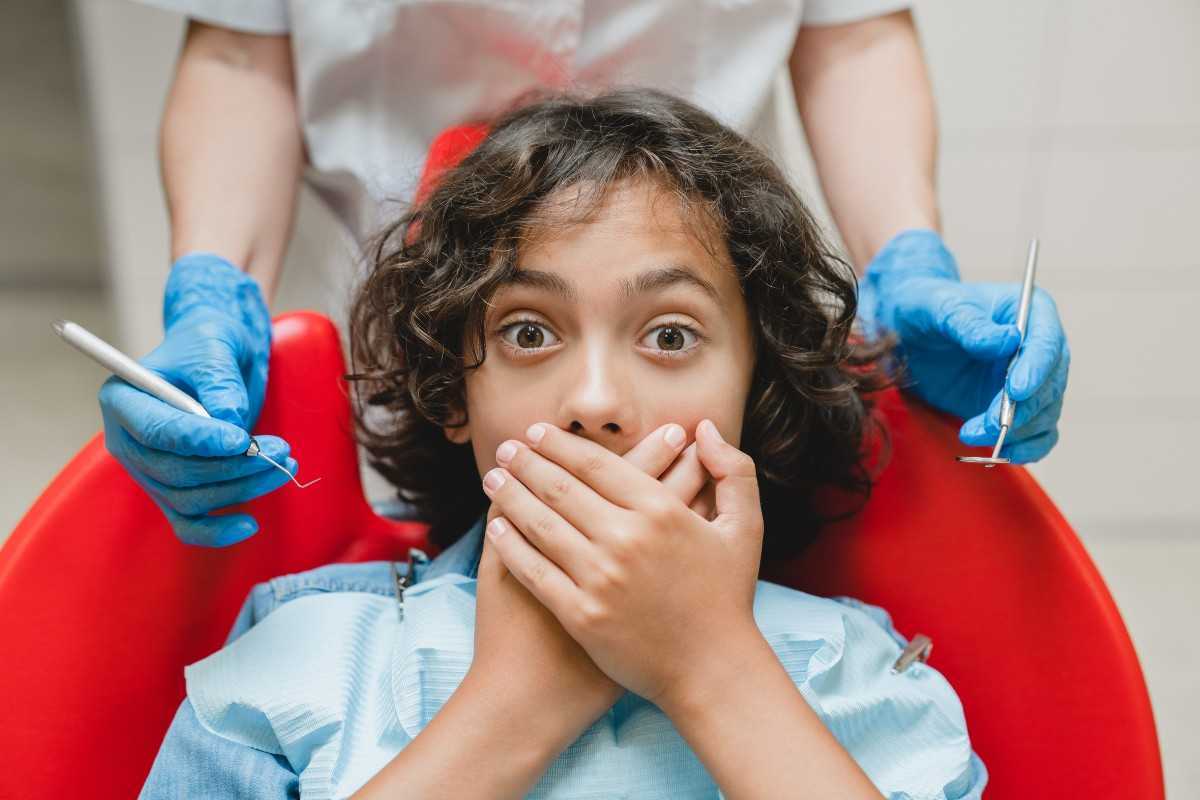
How Can I Help My Kid Stay Calm During A Dental Trauma?
Dental visits can be anxiety-inducing for juniors, especially when dealing with a crisis. The key to minimizing stress is to stay calm and provide reassurance. Here are a few ways you can help your child feel more at ease:
- Stay Calm: Kids are quick to pick up on your emotions. If you remain calm and positive, it will help them feel more secure.
- Reassure Them: Let your tot know that the dentist is there to help. Explain that the visit will be over quickly and they’ll feel better soon.
- Bring Comfort Items: If your little one has a favorite toy, blanket, or comforting item, bring it along to provide reassurance during the visit.
For parents, offering these comforting gestures before heading to a nearby clinic in The City can help avoid panic.
What To Expect At The Dentist’s Office?
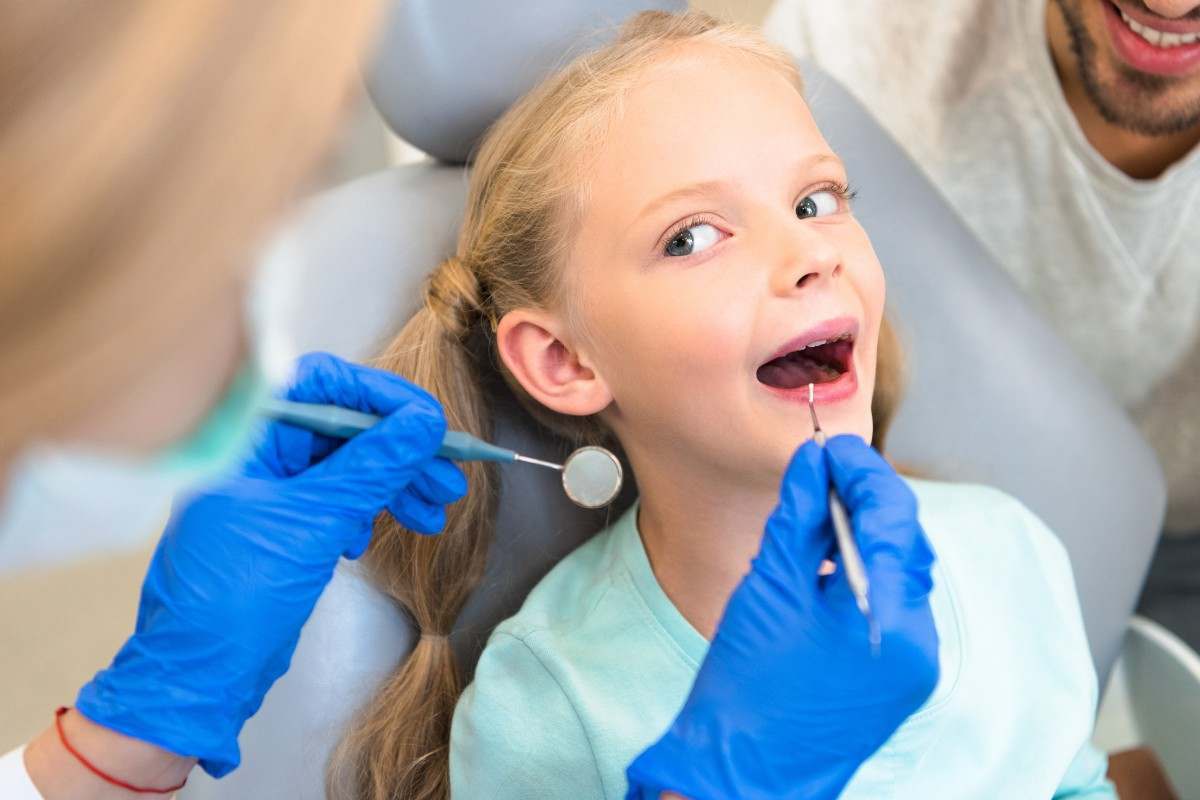
When you seek help from emergency pediatric dentistry in New York, here’s what to expect:
- Initial Examination: The on-call dentist will assess the severity of the injury or pain and may take X-rays to evaluate the extent of the damage.
- Pain Management: If your tot is in pain, local anesthesia may be used to numb the affected area before proceeding with treatment.
- Treatment Options: Depending on the nature of the injury, treatment is determined. A filling for a chipped tooth, to advanced procedures like a root canal or a crown for a severe injury, might be performed.
Regardless of the condition, rest assured that the professionals ensure your child receives prompt treatment to relieve pain and restore their oral health.
How To Prevent Future Dental Emergencies?
While accidents are inevitable, you can take steps to reduce the risk of injuries:
- Mouthguards: Encourage your little one to wear a mouthguard during sports or physical activities to protect their teeth.
- Avoid Hard Foods: Prevent accidental chips or breaks by discouraging your kid from chewing hard objects like ice or candy.
- Routine Dental Checkups: Regular checkups help identify potential issues before they become emergencies.
By practicing preventive measures, you help safeguard your junior’s smile and avoid oral mishaps that could disrupt your family’s routine.
Act Fast, Book Emergency Oral Care For Your Child Today!
At Central Park West Pediatric Dentistry, we understand that dental crises can be stressful, especially when your child is in pain. We are here to help with prompt, professional care. Be it a toothache, a broken tooth, or any other dental urgency, our team is ready to provide the best care possible. Trust your child’s smile to our team. Call us at 332-205-6779 today and ensure your child gets the care they deserve!
Frequently Asked Questions
- Is it okay to wait for regular hours after my child chips a tooth?
A small chip without pain might wait until normal hours, but pain, sharp edges, or visible nerve exposure warrants urgent evaluation. Quick action limits infection risk.
- How do I know if my child’s mouth injury needs emergency care versus just watchful waiting?
Injuries with uncontrolled bleeding, deep cuts, jaw swelling, or difficulty opening the mouth require urgent professional assessment, not just home observation. Less critical injuries may be assessed during the next available appointment.
- When does a knocked‑out permanent tooth need immediate attention?
A knocked‑out permanent tooth has the best chance of saving if repositioned or kept moist and seen within minutes; delays reduce viability. This urgency doesn’t usually apply to baby teeth.
- How long should I wait to see a dentist after my child’s tooth injury?
It’s crucial to see a dentist within an hour after a significant dental injury, especially if a tooth is knocked out or fractured. The quicker the treatment, the better the chances of saving the tooth.
- How can I prevent dental trauma in my child during sports?
To prevent dental trauma, ensure your child wears a mouthguard during sports. Regular visits to a pediatric dentist can also help identify risks and protect their smile.