327 Central Prk W #1C, New York, NY 10025


Summary: White spots on baby teeth can feel alarming, but they often signal early changes that deserve attention, not panic. These spots may point to enamel weakness, early decay, or mineral imbalance. When you notice them early, you can act before they turn into cavities. This blog explains what causes these spots, how to recognize them, and when to seek care. It also helps parents understand how daily habits and local lifestyle factors can play a role. If you live in an active city environment with busy routines, these insights matter even more.
White spots on your child’s teeth can show up suddenly. At first, they may look harmless. But these subtle marks often carry an important message about your child’s oral health. They can signal early enamel changes that need attention. When ignored, they may lead to cavities or sensitivity. From quick snacks grabbed near Central Park playgrounds to sugary treats after a day at the American Museum of Natural History, daily habits can quietly affect young teeth. These lifestyle patterns matter more than most parents in New York realize.
Being aware early on allows you to take action at the right moment, and that’s where professional guidance makes a difference. At Central Park West Pediatric Dentistry, families can count on caring, specialized attention tailored to their kids growing smiles.
Our Pediatric Dentist: Dr. Alexis Cohen

At our dental office, Dr. Alexis Cohen leads our team with compassion and dedication. She is a board-certified pediatric dentist who understands the unique needs of children and works hard to create a calm, positive experience for every young patient. Her gentle approach helps children feel safe, comfortable, and confident during their dental visits. Call us today to schedule your child’s appointment and learn more about our caring approach to pediatric dental care.
What Do White Spots on Baby Teeth Really Mean?
As parents, you should have an idea about those spots:
Early Enamel Changes
White spots often appear when enamel starts losing minerals. This process is called demineralization. It weakens the tooth surface. At this stage, damage is still reversible with the right care.
Early-stage Tooth Decay
These spots could be the very first signs of cavities. Unlike the dark decay that you might see later, those spots appear before any visible damage happens. Taking action now can help stop it from getting worse.
Fluoride Imbalance
Excess fluoride during early tooth development can lead to white patches called fluorosis. Usually, it affects how teeth look more than how they function.
Plaque Buildup Patterns
Plaque often gathers near the gumline. If these spots are missed during cleaning, minerals can gradually break down, leading to the formation of visible white spots. Taking extra care to clean these areas can really make a difference in maintaining a healthy, bright smile!
Developmental Factors
Some kids have unique enamel development, and thin or uneven enamel can make those spots stand out more. It’s perfectly normal and something to be aware of, and if you have any concerns, consulting with a dental professional can provide reassurance and guidance.
What Causes White Spots on Baby Teeth?
These are the reasons:
Diet and Frequent Snacking
Frequent sugar exposure feeds bacteria, which produce acids that can weaken enamel. Having small snacks throughout the day might increase this risk, so it’s good to be mindful of your snacking habits.
Poor Brushing Habits
When brushing isn’t consistent, plaque can linger on your teeth longer, which, over time, can wear down the enamel and lead to noticeable changes. Taking regular care helps keep your smile healthy and bright!
Dry Mouth Conditions
Saliva is wonderful because it helps keep our teeth safe by washing away acids that can harm them. When there’s less saliva, our enamel, that’s the hard, shiny surface of our teeth, can become more vulnerable to damage. Taking good care of our saliva levels can really help keep our smiles healthy and beautiful!
Bottle Feeding at Night
Leaving milk or juice on your teeth overnight means they face continuous sugar exposure, which can lead to changes in the enamel. Taking care of your teeth by rinsing or brushing before bed can help protect them and keep your smile healthy and bright.
Should You Be Worried About These White Spots?
Several spots stay unchanged and don’t get worse over time. These are usually linked to mild fluorosis or natural differences in enamel. However, if you notice the spots getting bigger or looking chalky, it might be a sign of early decay. It’s a good idea to have these checked out during your kid’s routine visits with a pediatric dentist New York. You should also look for these signs that need prompt care:
- Spots turn dull or rough.
- Sensitivity develops
- Spots spread across multiple teeth
- Changes appear near the gumline
Taking early steps in dental care can really help prevent cavities from developing. Once your enamel is damaged, treating it can become much more complicated, so it’s always best to catch issues early.
Can White Spots Be Prevented or Improved?
Here are some tips you can try:
- Strengthening enamel: Daily brushing with fluoride toothpaste helps restore minerals. This slows or reverses early damage.
- Consistent oral routines: Children benefit from structured brushing routines. Twice-daily brushing makes a clear difference.
- Smart snacking choices: Try to limit the number of sugary snacks you have often. Instead, offer balanced and healthy options that nourish overall well-being.
- Professional monitoring: Regular checkups with a pediatric dentist in New York help track changes early. Small issues get addressed before they grow.
As one happy parent shared—
Jen was amazing. She explained everything step by step not only to me but to my 2 year old! She respected my toddler as a person and treated her with compassion which made the process easy. Dr. Rob is inviting and easy going. He is soft spoken but upbeat which is great for children. My 2 year old raves about the dentist and checked my teeth 40 times after the visit. I would say this was a success! – Dr. C.Galarza
We invite you to read our Google reviews and hear directly from patients who have trusted us with their smiles.
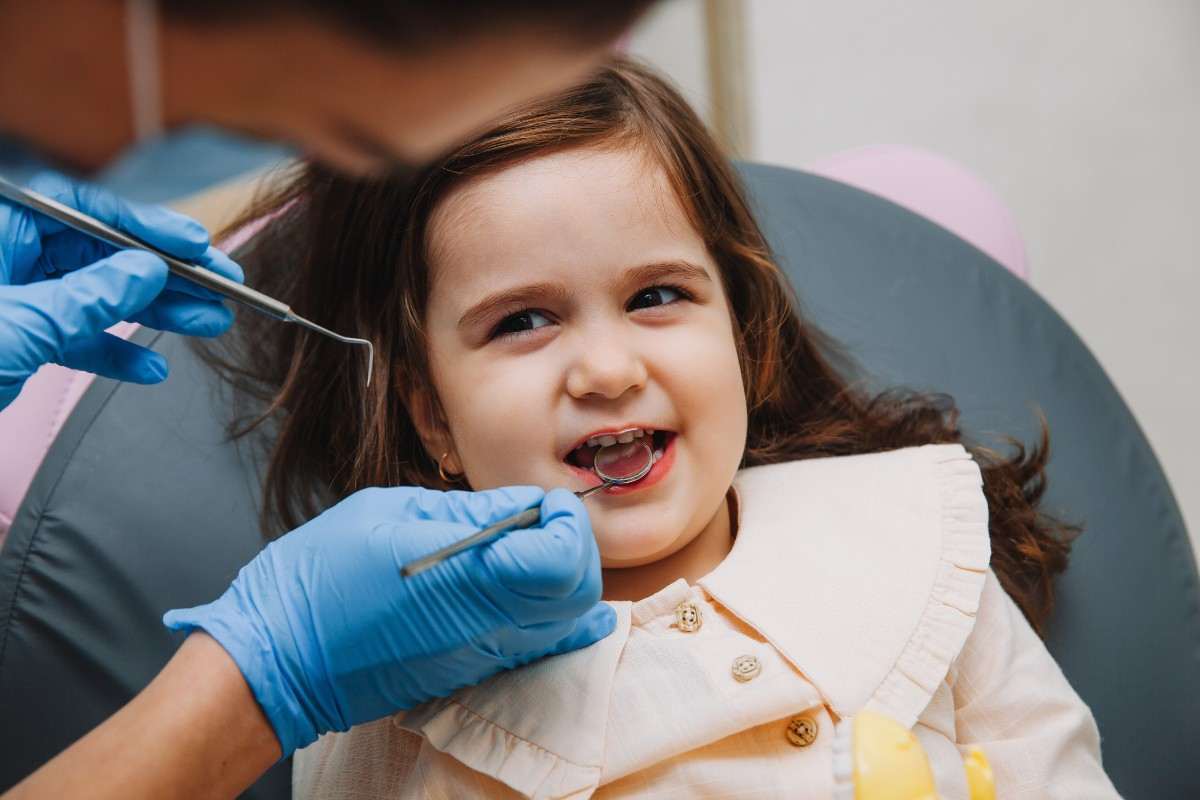
What Can a Pediatric Dental Visit Do for Your Child?
Visiting a dental professional will bring many benefits, and here they are:
- Early diagnosis: A clinical exam identifies the exact cause of white spots. This allows targeted care.
- Personalized care plans: Each kid receives guidance based on their needs. This may include strengthening enamel or monitoring changes.
- Preventive strategies: Care focuses on stopping progression. This includes professional recommendations for home care and habits.
- Family education: Parents are provided with clear guidance, making it easier to keep healthy routines at home.
A Clear Path Forward for Your Child’s Smile
White spots on baby teeth may seem minor at first, but they can often be an early warning sign of enamel weakness or tooth decay. Addressing these concerns early can help protect your child’s developing smile and prevent more complex dental issues in the future. Regular checkups, healthy oral hygiene habits, and timely professional care all play an important role in maintaining strong and healthy teeth.
At Central Park West Pediatric Dentistry, families across Manhattan Valley and the Upper West Side trust our team for compassionate, child-focused dental care. If you notice unusual white spots or changes in your child’s teeth, our experienced pediatric dental team is here to help.
Call today to schedule your child’s dental visit and give them the confidence of a healthier, brighter smile for years to come.
FAQs
Are white spots on baby teeth permanent?
Some spots fade when enamel strengthens. Others may remain if caused by developmental changes. Early care helps determine the cause and prevents further damage. A dental evaluation provides clarity on whether the condition will improve or remain.
Do white spots always mean cavities?
Those spots do not always mean cavities. They often signal early enamel changes before decay begins. When caught early, these spots can improve with proper care. Ignoring them increases the risk of developing cavities later.
Can diet alone cause white spots?
Diet plays a major role in enamel health. Frequent sugar exposure weakens tooth structure over time. Combined with poor cleaning habits, this can lead to those spots. Balanced nutrition and consistent oral care help reduce this risk.
How quickly can white spots worsen?
Those spots can progress at different speeds depending on habits and oral hygiene. In some cases, they remain stable. In others, they can turn into cavities within months. Early monitoring helps prevent rapid progression.
Should baby tooth issues be taken seriously?
Yes, baby teeth play a key role in guiding permanent teeth. Problems in early teeth can affect future alignment and health. Addressing issues early supports proper development and prevents more complex concerns later.