327 Central Prk W #1C, New York, NY 10025


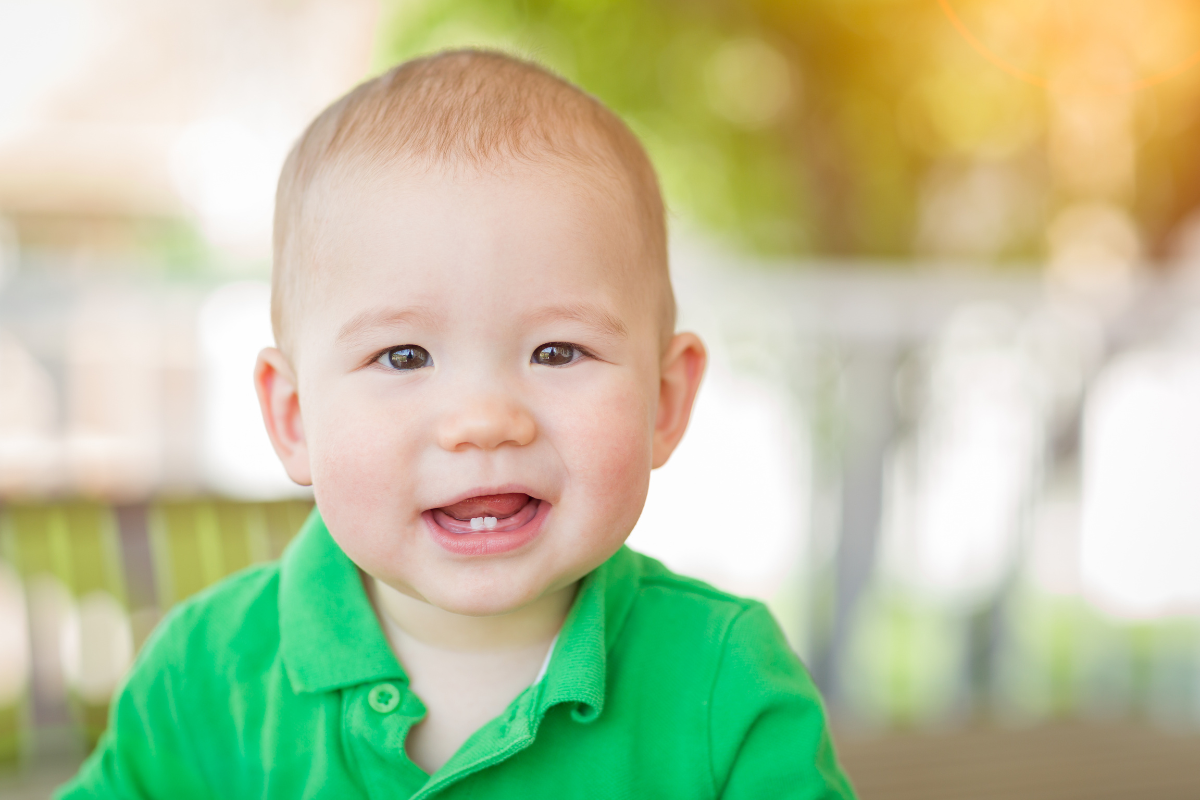
Few milestones in your child’s first year are as eagerly anticipated and occasionally overwhelming as the arrival of their very first tooth. That gummy, infectious smile is one of the greatest joys of early parenthood, but the process leading up to that tiny white spot breaking through the gums can bring sleepless nights, unexpected fussy spells, and an endless trail of drool across your nursery.
As parents navigate the vast and sometimes conflicting ocean of advice on infant health, knowing exactly what to expect during teething is essential for keeping your baby comfortable, calm, and healthy. Recognizing the subtle physical signs, behavioral shifts, and oral changes empowers you to support your little one through this critical developmental stage with confidence and ease.
Every infant progresses through teething at their own unique rhythm, but having expert clinical guidance makes all the difference in distinguishing normal teething discomfort from underlying illnesses. At Central Park West Pediatric Dentistry, our trusted New York pediatric dentist, Dr. Robert Peracchia, specializes in gently guiding Manhattan families through early oral development and comprehensive infant dental care. Located right in the heart of the Upper West Side, our practice provides a warm, welcoming environment tailored to infant oral health, ensuring every milestone from the first tooth to the first dental checkup is smooth, stress-free, and grounded in top-tier pediatric clinical expertise.
When Does Infant Teething Typically Begin?
While every infant develops along their own timeline, most babies begin the teething journey between 4 and 7 months of age. However, it is entirely normal for a premature baby or even a full-term infant to sprout their first tooth as early as 3 months or as late as 12 months. Early tooth emergence is heavily influenced by genetics, meaning if parents teethed early, their infants often follow suit.
The central incisors, the bottom two front teeth, are almost always the first pioneers to make their appearance, followed closely by the upper central incisors. By the time your child reaches their third birthday, a complete primary set of 20 baby teeth will typically have emerged, laying the structural foundation for speech development, proper chewing function, and adult tooth alignment.
Understanding the chronological sequence of eruption helps parents prepare for each distinct wave of teething. Months before a tooth physically breaks through the mucosal tissue, tiny tooth buds are moving upward through the jawbone. This internal movement causes pressure and mild inflammation deep within the gums long before anything visible appears on the surface.
Consequently, many parents observe behavioral changes in their 4-month-old infants weeks before a tooth becomes visible to the naked eye. Recognizing this underlying timeline helps ease parental anxiety when symptom spikes occur without an immediate visible tooth.
Top 7 Signs Your Baby Is Teething
Because infants cannot verbally articulate their discomfort, they communicate through physical cues and behavioral changes. Here are the seven most reliable clinical indicators that your infant is actively teething:
Excessive Drooling and Facial Rash
Teething stimulates heavy saliva production well before the tooth cuts through the gumline. You may find yourself changing bibs multiple times a day. As constant moisture pools around your baby’s mouth, chin, and neck, it can lead to mild skin irritation known as a drool rash. Gently dabbing rather than rubbing saliva away with a soft cloth and applying a pediatrician-approved barrier ointment creates a protective seal against skin breakdown.
Persistent Gnawing and Biting Behavior
When a tooth pushes against gum tissue, counter-pressure provides temporary, soothing relief. Teething infants instinctively seek out firm objects to bite, gnaw, and chew on—ranging from safe silicone teething rings and cloth bibs to their own fingers, crib rails, and parents’ shoulders. Providing safe, textured, non-toxic teething toys gives your child a productive outlet for this natural urge.
Swollen, Tender, or Bulging Gums
If you gently wash your hands and lift your baby’s lip, you may notice red, swollen, or inflamed gum tissue where the tooth is emerging. Sometimes, a firm, bluish-red bulge known as an eruption hematoma appears over the site. While these small fluid-filled blisters look concerning to parents, they are harmless collections of fluid under the tissue that resolve naturally once the tooth breaks through.
Increased Fussiness, Irritability, and Crying
Gum inflammation causes a constant, dull ache that can make even the calmest baby unusually irritable. Fussiness is frequently worse in the late afternoon and evening, as quiet surroundings offer fewer distractions from the physical ache. Extra snuggles, gentle rocking, and soothing music can provide comfort during these fussy spells.
Disrupted Sleep and Feeding Patterns
The throbbing pressure of an emerging tooth often intensifies at night when the body is resting, and blood flow to the head increases. This pressure can wake infants from deep sleep or make falling asleep difficult. Furthermore, while the urge to suckle is strong, the pressure of sucking on a bottle or breast pulls blood toward inflamed gums, occasionally causing infants to turn away from feedings after a few moments.
Cheek Rubbing and Ear Pulling
The nerves in the jaw, cheeks, and ears share pathways along the trigeminal nerve network. As a result, pain originating from erupting back molars or upper teeth can radiate toward the ears and cheeks. Babies often rub their faces against bedding or tug on their earlobes to relieve this transferred sensation. However, if accompanied by a high fever, ear pulling warrants an evaluation by your pediatrician to rule out an ear infection.
Mild Low-Grade Temperature Elevation
A slight, temporary rise in body temperature, sometimes called “teething fever”, can occur due to localized gum inflammation. However, true clinical teething fever never exceeds 100.4°F (38°C). If your infant registers a temperature above 100.4°F, or exhibits diarrhea, vomiting, or lethargy, these symptoms stem from a systemic illness or viral infection rather than teething and require medical attention.
Teething Myth vs. Fact: What Science Says
Generations of parenting folklore have attributed a wide range of childhood ailments to teething. To ensure your baby’s health and safety, it is vital to separate myth from established clinical reality:
- Myth: Teething causes high fever, diarrhea, and severe diaper rash.
- Fact: While mild localized inflammation can cause a very slight temperature increase, scientific studies confirm that high fevers and digestive upset are completely unrelated to tooth emergence. Attributing systemic illness to teething can delay necessary medical care.
- Myth: Amber necklaces and teething beads are safe, natural pain remedies.
- Fact: Major health organizations, including the American Academy of Pediatrics (AAP) and the FDA, strongly warn against amber teething necklaces due to severe risks of strangulation and choking from loose beads.
- Myth: Topical numbing gels containing benzocaine or lidocaine are safe for infants.
- Fact: Benzocaine products pose a rare but life-threatening health risk called methemoglobinemia, a condition that severely reduces oxygen carried through the bloodstream. The FDA mandates avoiding all over-the-counter numbing gels for children under two.
As a trustworthy New York pediatric dentist, our top priority is protecting infant safety while keeping your child comfortable. Simple, time-tested home care remedies like a cold washcloth or chilled silicone teether are remarkably effective and completely free of chemical risks. When you consult a trusted pediatric dentist New York families trust, we walk you through every stage of early oral development with clear, evidence-based guidance tailored to your baby.”
Safe, Effective Remedies to Soothe Your Teething Baby
Relieving your baby’s teething pain requires safe, non-invasive techniques that soothe inflamed tissue without introducing health hazards. Here are pediatrician-approved methods that provide real relief:
Chilled (Not Frozen) Teething Objects
Cold temperature acts as a natural local anesthetic, numbing tender gums and reducing swelling. Soak a clean washcloth in water or chamomile tea, ring out the excess liquid, fold it into quarters, and chill it in the refrigerator. The textured fabric provides satisfying friction against sore gums. You can also use solid silicone teething rings. Avoid freezing teething rings solid, as frozen plastic or rubber can become too hard and bruise delicate infant oral tissue.
Gentle Gum Massage
Wash your hands thoroughly and use a clean finger or a soft silicone finger brush to apply gentle, firm pressure directly over your baby’s tender gums. The counter-pressure helps interrupt pain signals traveling to the brain and offers immediate comfort before or after feedings.
Safe Over-the-Counter Medication
If your baby is visibly distressed and non-pharmacological methods aren’t offering sufficient relief, consult your pediatrician or pediatric dentist regarding appropriate infant dosage for acetaminophen or ibuprofen (for infants 6 months and older). Always dose strictly by your child’s current weight, never by age, and avoid combination medications.
Caring for Your Baby’s First Tooth & Establishing Dental Care
The moment that tiny white speck breaks through the gumline, daily oral hygiene becomes essential. Early care prevents early childhood caries (decay), which can progress rapidly in primary teeth if sugars from milk, formula, or juices accumulate around the enamel.
Begin cleaning your baby’s mouth even before teeth arrive by wiping the gums with a soft, damp cloth after feedings. Once the first tooth erupts, transition to an infant toothbrush with soft bristles and a smear of fluoride toothpaste roughly the size of a single grain of rice. Brush gently twice daily, paying special attention to the gumline where plaque accumulates.
The American Academy of Pediatric Dentistry (AAPD) recommends establishing a “Dental Home” by scheduling your child’s first dental visit within six months of their first tooth eruption, or no later than their first birthday. Choosing an attentive New York pediatric dentist like ours allows your dentist to evaluate jaw development, check soft tissues, discuss nutritional guidance, and ensure proper home hygiene habits from day one.
Frequently Asked Questions (Competitor-Based FAQs)
- How long does teething pain typically last for each tooth?
Teething pain generally lasts between four to eight days per tooth. Discomfort usually peaks during the two days before the tooth breaks through the gumline and subsides rapidly once the enamel fully emerges through the tissue.
- Can teething cause a high fever or severe diarrhea in babies?
No, teething does not cause high fevers or diarrhea. While mild localized inflammation may slightly raise body temperature to under 100.4°F, higher fevers or digestive issues indicate an underlying viral infection requiring prompt medical evaluation.
- Are amber teething necklaces safe for infants to wear?
No, pediatric health authorities strongly advise against amber teething necklaces. They present severe strangulation hazards and potential choking risks from loose beads, while offering no scientifically proven pain-relief benefits for infants during active teething.
- What is the safest home remedy to soothe my teething baby?
The safest home remedy is gentle counter-pressure using a clean finger or chilled, damp washcloth. Chilled silicone teethers are also highly effective, safe choices that numb inflamed gums naturally without chemical risks or hazards.
- When should I schedule my baby’s first dental appointment in NYC?
Schedule your baby’s first dental visit when their first tooth appears, or by their first birthday. Early visits establish a preventative dental home, allowing your dentist to monitor growth, enamel health, and oral development.
- Is it safe to use teething gels containing benzocaine or lidocaine?
No, the FDA warns against using benzocaine or lidocaine products for infants. Benzocaine can cause methemoglobinemia, a rare, dangerous condition reducing blood oxygen levels. Stick to non-medicated chilled objects or pediatrician-approved oral pain relievers.
- Why are primary baby teeth so important if they eventually fall out?
Primary teeth are critical for proper chewing, clear speech development, and holding space for permanent teeth. Premature loss of baby teeth can lead to alignment issues, crooked permanent teeth, and complex future orthodontic problems.
Give Your Baby’s Oral Health the Best Care at Central Park West Pediatric Dentistry
Navigating your baby’s teething journey doesn’t have to be overwhelming. Partnering with a skilled pediatric dentist early on gives you the guidance and support needed to protect your child’s emerging smile. At our dental practice, we help Manhattan families establish a lifelong foundation of gentle, preventive oral care.
Ready to give your little one the ultimate care? Schedule your infant’s first dental consultation today!