327 Central Prk W #1C, New York, NY 10025



Every parent wants to see their child smile, laugh, and grow up healthy. But when baby teeth seem temporary, dental checkups can sometimes slip down the family to-do list. After all, those teeth will eventually fall out, right?
The truth is that baby teeth play an important role in chewing, speech development, and guiding permanent teeth into position. Skipping routine visits can allow small dental problems to develop before a child experiences pain.
Regular checkups through pediatric dentistry Upper West Side services help parents protect growing smiles, identify concerns early, and build healthy habits that last. Understanding what happens during these visits can help you make preventive dental care a comfortable part of your child’s routine.
Why Are Regular Dental Checkups Important for Children?
Children’s teeth and jaws change quickly as they grow. Routine dental visits allow a dentist to monitor that development, check for early signs of decay, and help families address oral health concerns before they become more complicated.
Here are the main reasons regular checkups matter.
- Detect Cavities Before They Become Painful
Tooth decay can begin before a child notices any symptoms. Early cavities may not cause pain, which means parents might not realize that a problem is developing.
During a checkup, the dentist examines the teeth for signs of decay, weak enamel, and other changes. Finding a concern early may allow for a simpler treatment approach, depending on its severity.
Without timely care, decay can progress deeper into a tooth and cause sensitivity, pain, infection, or the need for more extensive treatment.
Regular examinations help identify these problems before they interfere with eating, sleeping, or everyday activities.
- Protect Baby Teeth and Support Healthy Development
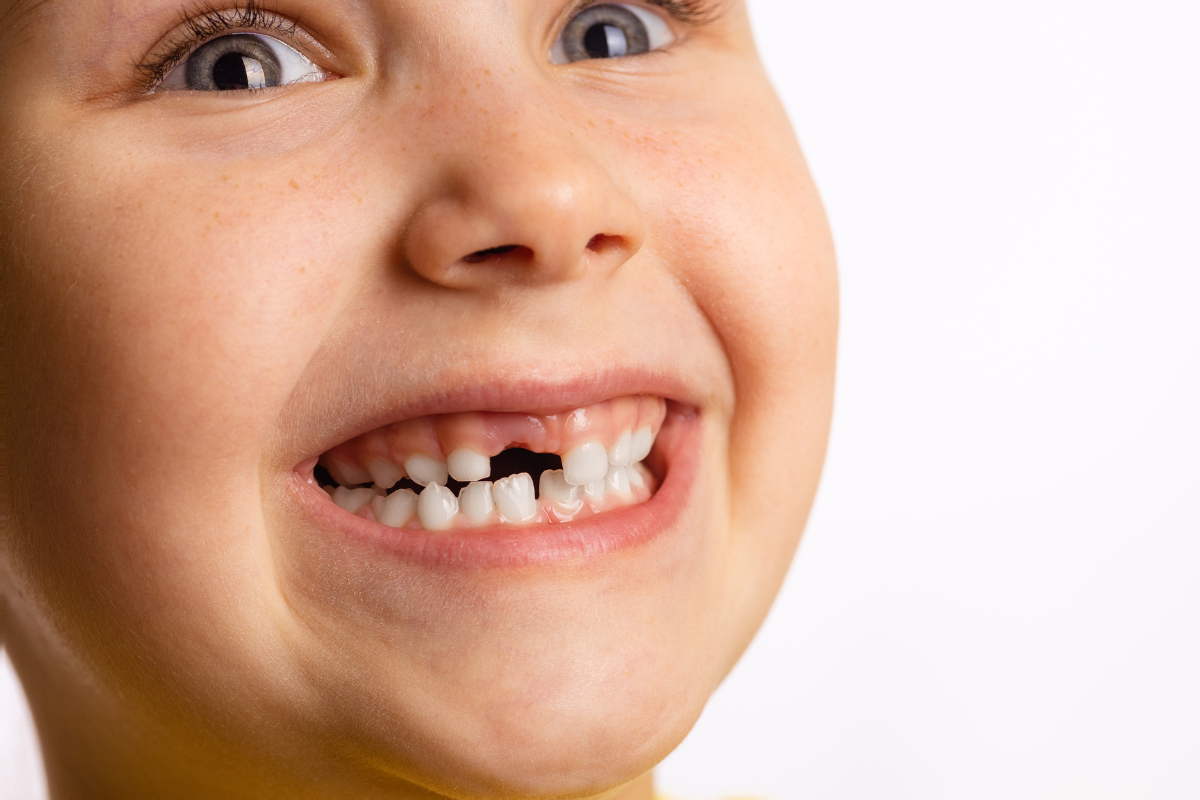
Baby teeth do more than help children chew. They support speech development and help maintain space for the permanent teeth that will eventually replace them.
When a baby tooth is lost too early because of decay or injury, neighboring teeth may shift into the empty space. In some cases, this can affect how permanent teeth emerge and may contribute to alignment concerns.
A pediatric dentist monitors the condition of baby teeth and the progress of dental development. If a tooth has decay or is damaged, the dentist can explain whether treatment is needed to protect the tooth and surrounding structures.
Keeping baby teeth healthy supports a child’s comfort now and helps create better conditions for the next stage of development.
- Prevent Gum Problems and Build Healthy Habits
Children may not always brush thoroughly, especially when they are young or still learning how to clean every surface of their teeth. Plaque can accumulate along the gumline and between teeth, contributing to gum irritation.
During routine visits, the dental team can assess gum health and identify areas that need better cleaning. Children can also learn how to brush effectively, clean between their teeth, and use age-appropriate oral care products.
Parents receive guidance based on their child’s age, habits, and dental needs. These lessons can make daily brushing more effective and help children gradually take responsibility for their oral health.
- Monitor Tooth Alignment and Jaw Development
As children grow, their teeth and jaws develop through several stages. Some children may show early signs of crowding, bite problems, or differences in how their teeth fit together.
Routine dental examinations allow the dentist to monitor these changes and determine whether further evaluation may be helpful.
Not every alignment concern requires immediate orthodontic treatment. However, identifying potential issues early can help parents understand their options and the appropriate time for an orthodontic assessment.
Monitoring development also gives families an opportunity to discuss habits such as thumb-sucking or prolonged pacifier use when these may affect the teeth or bite.
- Reduce Dental Anxiety Through Familiar Visits
A child who visits the dentist only when a tooth hurts may begin to associate dental care with discomfort and fear. Routine checkups offer a different experience by allowing children to become familiar with the office, dental equipment, and care team when there is no urgent problem to treat.
Positive, age-appropriate visits can help children feel more comfortable asking questions and following instructions.
Parents can support this process by speaking positively about dental visits, avoiding frightening language, and explaining that the dentist helps keep teeth healthy.
Building familiarity early can make future dental care feel less intimidating and encourage children to maintain regular appointments as they grow.
What Can Happen If Children Skip Dental Checkups?
Putting off dental visits does not automatically mean a child will develop a dental problem. However, without regular examinations, some concerns may go unnoticed until symptoms appear.
Potential consequences include:
- Advanced tooth decay: A small cavity can grow and require more extensive treatment.
- Tooth pain and infection: Untreated decay can reach the inner tissues of a tooth.
- Difficulty eating: Dental pain may make chewing uncomfortable and affect food choices.
- Missed developmental concerns: Changes in tooth eruption or bite alignment may go unrecognized.
- Poor oral hygiene habits: Children may continue brushing incorrectly without guidance.
- Greater dental anxiety: Waiting until a problem becomes painful may make dental visits more stressful.
Regular checkups are an important preventive measure, but they cannot guarantee that every dental problem will be avoided. Daily brushing, cleaning between teeth, healthy food choices, and professional guidance all work together to support oral health.
What Happens During a Child’s Routine Dental Checkup?
Knowing what to expect can help parents prepare their children and reduce uncertainty before an appointment.
A routine visit may include the following steps:
- Review of dental and medical history: The dental team may ask about your child’s health, medications, brushing routine, diet, and any recent dental concerns.
- Examination of the teeth and gums: The dentist checks for cavities, plaque buildup, gum inflammation, tooth damage, and changes in dental development.
- Professional cleaning: When appropriate, a dental hygienist or dentist removes plaque and hardened deposits that regular brushing cannot fully remove.
- Assessment of preventive needs: Depending on your child’s age and risk of decay, the dentist may recommend fluoride treatment, dental sealants, or other preventive measures.
- Personalized advice for parents: You can ask questions about brushing, flossing, snacks, thumb-sucking, tooth eruption, and any concerns about your child’s smile.
X-rays are not necessarily required at every visit. The dentist recommends them when they are clinically appropriate based on your child’s individual needs.
How Often Should Children Visit the Dentist?
Many children benefit from a dental checkup approximately every six months. However, the ideal schedule depends on their oral health, cavity risk, dental development, and previous treatment.
Children who have a history of cavities, a higher risk of decay, or specific oral health concerns may need more frequent visits. Your child’s dentist can recommend a schedule that supports their individual needs.
It is also important to arrange an appointment when your child develops tooth pain, swelling, a broken tooth, or another concerning symptom rather than waiting for the next routine checkup.
Preventive Pediatric Dental Care for Growing Smiles
At Central Park West Pediatric Dentistry, the focus is on helping children develop healthy habits while receiving age-appropriate dental care in a supportive environment. Preventive visits give families an opportunity to monitor dental development, discuss concerns, and understand how to protect their child’s teeth at every stage.
Families in Manhattan Valley and Morningside Heights can seek guidance on routine examinations, preventive treatments, and their child’s changing oral health needs.
Give your child a healthy start with regular pediatric dentistry Upper West Side care. Schedule a checkup to help identify concerns early, reinforce good oral hygiene, and support a confident smile as your child grows.
Frequently Asked Questions
- At what age should a child first visit the dentist?
A child’s first dental visit is recommended by their first birthday or within six months after the first tooth appears, whichever comes first. Early visits help parents learn how to care for developing teeth and allow the dentist to identify potential concerns.
- How often should children have dental checkups?
Many children need checkups every six months. Children with a higher risk of cavities or other oral health concerns may need more frequent visits based on their dentist’s recommendation.
- Why are dental visits important if baby teeth eventually fall out?
Baby teeth help children chew and speak, and they maintain space for permanent teeth. Untreated decay can cause pain, infection, and premature tooth loss, so baby teeth still need consistent care.
- Do children need dental X-rays at every checkup?
No. X-rays are recommended when the dentist determines they are necessary to evaluate a particular concern or assess areas that cannot be fully examined visually. The decision depends on the child’s dental history, age, and individual needs.
- Can regular dental checkups prevent cavities completely?
Checkups help identify early signs of decay and support preventive care, but they cannot eliminate cavity risk. Brushing with fluoride toothpaste, cleaning between teeth, limiting frequent sugary snacks and drinks, and following professional advice also matter.
- What if my child is afraid of the dentist?
Tell the dental team about your child’s concerns before the visit. Calm explanations, positive language, and familiar routine appointments can help children feel more comfortable. Avoid using dental visits as a threat or describing treatment in frightening terms.
- Are professional cleanings necessary if my child brushes every day?
Yes. Brushing and cleaning between teeth are essential, but children may miss certain areas, and plaque can harden into deposits that cannot be removed with a toothbrush alone. Professional cleaning and examination help support a consistent oral care routine.
- When should I schedule a dental visit outside the regular checkup schedule?
Arrange an appointment if your child has persistent tooth pain, a broken or knocked-out tooth, swelling, or other concerning symptoms. Facial swelling accompanied by difficulty breathing or swallowing requires immediate emergency medical care.
Medical Disclaimer – This article is for general educational purposes only and does not replace professional dental advice, diagnosis, or treatment. Every child’s dental needs are different. Consult a qualified dental professional for personalized recommendations about preventive care and treatment.