327 Central Prk W #1C, New York, NY 10025


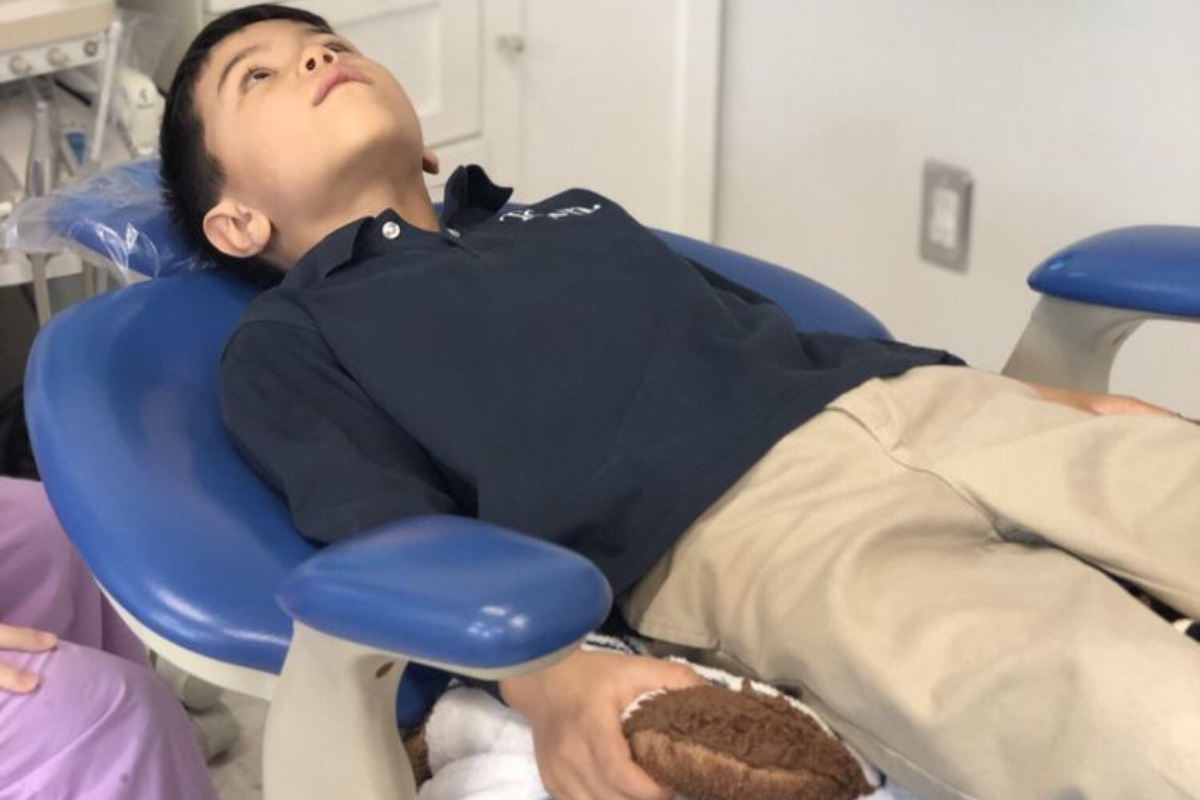
Discovering that your child requires dental surgery or therapeutic treatments inside a hospital operating room can understandably cause a wave of anxiety for any parent. However, for a specific segment of pediatric patients, hospital-based dental care is not just an alternative option; it is the safest, most effective, and most compassionate pathway to ensuring their long-term oral and systemic health. This specialized approach allows advanced therapeutic procedures to be executed while your child is completely asleep, removing physical and emotional stress from the equation.
When a traditional clinical setting cannot safely meet a child’s unique needs, specialized care becomes necessary. To help you navigate these critical healthcare decisions, our elite team of providers is here to guide you. At Central Park West Pediatric Dentistry, our founding specialist, Dr. Peracchia, brings decades of advanced clinical expertise to families across the city, performing complex hospital-based treatments under general anesthesia at premier institutions like the NewYork-Presbyterian Morgan Stanley Children’s Hospital. If you are exploring advanced therapeutic paths for your little one, we invite you to visit our dental office for an exhaustive, personalized evaluation.
What is Hospital Dentistry for Children?
Hospital dentistry refers to the practice of providing comprehensive, complex oral health therapies within an accredited hospital operating room or surgical center. In this highly controlled environment, a board-certified pediatric anesthesiologist administers general anesthesia, rendering the child completely unconscious and completely insensitive to pain during the procedure.
Hospital dentistry for children involves performing comprehensive dental restorations or surgical procedures inside an operating room under general anesthesia. This clinical setting is utilized when a child’s age, medical history, behavioral condition, or extensive treatment needs make standard office-based care unsafe or impossible. It ensures complete patient safety, precise clinical execution, and a completely pain-free, trauma-free experience.
From a clinical standpoint, this modality is highly distinct from office-based conscious sedation (such as nitrous oxide or oral sedatives). In a traditional pediatric dentist NYC setting, conscious sedation relies on the child maintaining their own airway and responsive reflexes. Hospital dentistry, by contrast, utilizes full general anesthesia, requiring advanced intubation and continuous airway management.
This approach shifts the focus entirely to maximum systemic protection. By utilizing a hospital operating theater, your pediatric dentist gains the ability to complete multiple quadrants of extensive work, such as complex extractions, pulp therapies, and full-coverage crowns, in a single, uninterrupted visit, all while the child remains entirely still and physiologically monitored.
When and Why Hospital Dentistry Becomes Necessary
Determining whether a child should undergo dental rehabilitation in an operating room involves an exhaustive diagnostic assessment. Pediatric clinicians balance the physiological maturity of the patient against the scope of the disease present. There are three primary clinical indicators that necessitate a transition from the traditional dental chair to a hospital setting.
Age and Extent of Severe Early Childhood Caries (SECC)
When a toddler or very young child presents with widespread, multi-surface decay across multiple quadrants, treating them in a standard office setting is rarely viable. Young children lack the cognitive development and emotional endurance required to remain perfectly still during precise, long-duration microsurgical procedures. According to national oral health data compiled by the National Center for Health Statistics (NCHS), dental caries remains one of the most prevalent chronic childhood diseases in the United States, affecting over 20% of children aged two to five. When decay tracks deeply into the inner pulp of multiple primary teeth in a two-year-old, the physical stress of keeping their mouth open for prolonged periods can trigger dangerous behavioral fight-or-flight responses, making the precision of a hospital setting medically necessary.
Complex Medical Compromises and Systemic Health Conditions
Children with complex congenital heart defects, bleeding disorders, severe respiratory conditions like poorly controlled asthma, or neurological disorders require an environment equipped with advanced life-support systems. In these circumstances, even routine therapeutic care carries systemic risk. Performing treatment within a dedicated children’s hospital guarantees that if a medical anomaly occurs, emergency-trained pediatric specialists, critical care physicians, and advanced monitoring technology are instantly accessible.
Severe Behavioral Challenges and Neurodivergence
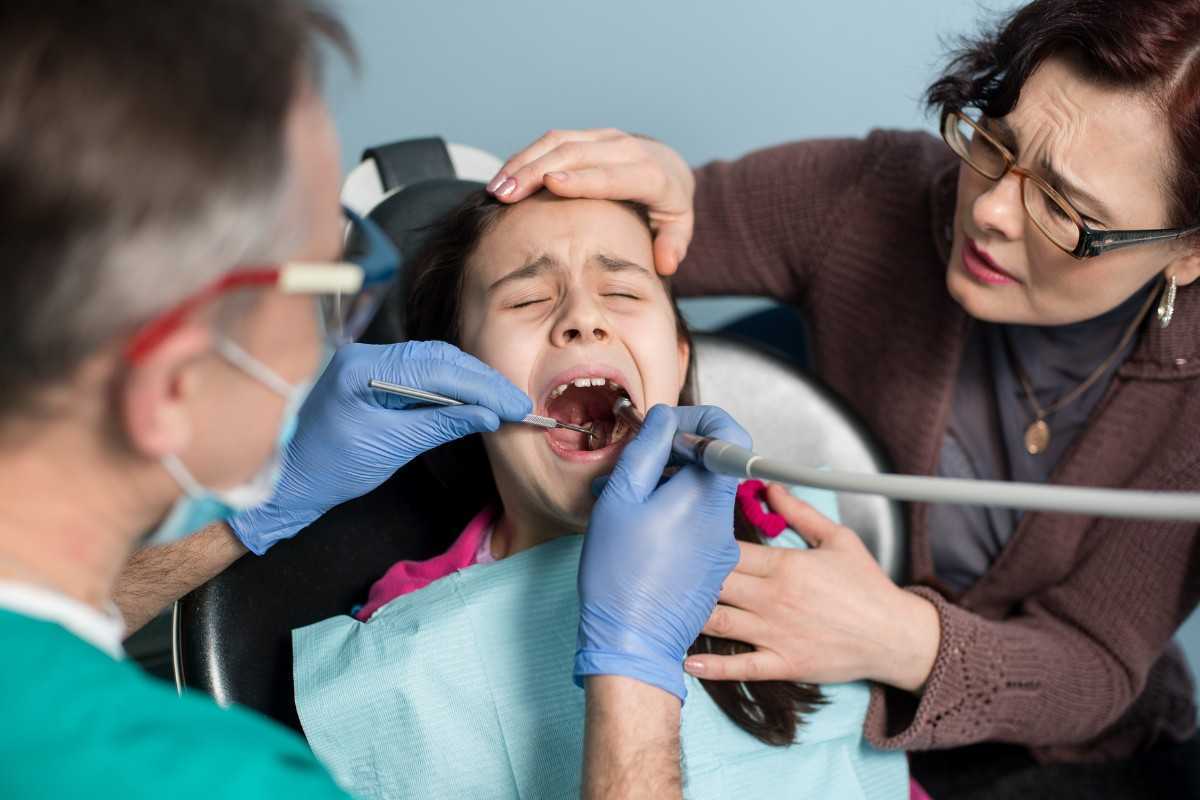
For many children on the autism spectrum, individuals with severe sensory processing disorders, or those experiencing profound, unmanageable dental phobias, the sensory overload of a traditional dental office can be completely overwhelming. The bright overhead lighting, high-pitched mechanical sounds of dental handpieces, and physical touch within the oral cavity can induce severe psychological trauma and dangerous physical thrashing. Hospital-based care under general anesthesia completely bypasses this sensory overload, protecting the child’s mental well-being and preventing physical injury during treatment.
Localizing the Care Journey for New York Families
Navigating advanced medical procedures requires a clear, local logistical plan, especially when balancing the unique structural dynamics of living in New York. Families traveling from neighborhoods like the Upper West Side face specific urban factors, such as arranging post-operative transportation that avoids the bumpy, high-stress transit of a crowded subway car. When returning home from a major local institution like the NewYork-Presbyterian Morgan Stanley Children’s Hospital, securing a private medical transport or a reliable car service is highly recommended to keep your drowsy child comfortable and safely reclined.
The cultural fabric of our local communities also plays an unexpected role in a child’s recovery phase. Long before a child ever needs advanced hospital care, early dietary habits shaped by our vibrant local environment can impact their dental health. New York is a paradise for iconic culinary traditions, from the classic, dense New York bagel to historical culinary landmarks nestled in neighborhoods across Manhattan. While enjoying legendary local sweet treats, black-and-white cookies from historic Upper West Side bakeries, or artisanal gelatos during summer walks through Central Park is a cherished part of growing up here, these dense, sticky carbohydrates can easily become trapped in the deep grooves of developing primary teeth.
When busy family schedules clash with meticulous brushing routines, these trapped sugars rapidly fuel acid-producing bacteria, accelerating the onset of severe childhood decay. If extensive decay develops, working with an experienced New York pediatric dentist ensures that your child’s treatment path is managed with deep clinical insight, local familiarity, and unparalleled care.
What to Expect: The Step-by-Step Hospital Process
If a diagnostic workup indicates that hospital dentistry is the most predictable path forward, your care team will guide you through a highly systematic sequence of events designed to maximize safety and minimize stress.
Pre-Operative Medical Clearance:7 to 10 days prior to surgery.
Your child must undergo a comprehensive physical assessment by their pediatrician. This step ensures their cardiovascular and respiratory systems are completely stable and rules out any acute viral infections or active airway inflammation that would necessitate postponing anesthesia.
Strict Fasting Protocols (NPO Guidelines): Night before and morning of surgery.
Parents must enforce strict fasting rules: absolutely no solid foods or milk for at least 6 hours prior to arrival, and only clear liquids up to 2 hours before the procedure. This is a critical safety measure that prevents pulmonary aspiration during the administration of anesthesia.
The Operating Room Procedure:1 to 3 hours in duration.
Once anesthesia is safely induced by the pediatric anesthesiologist, your dentist performs all necessary therapies. This can include digital diagnostics, conservative pulp therapies, placements of durable pediatric crowns, and advanced space maintainers, executed back-to-back while your child remains entirely still.
Post-Anesthesia Recovery Unit (PACU):1 to 2 hours post-surgery.
As the anesthesia medications wear off, your child transitions to a specialized recovery room. Specialized pediatric recovery nurses monitor them continuously as they regain full consciousness, ensuring their pain is fully controlled and their vital signs remain completely stable before discharge.
Following discharge, your child will remain drowsy for the remainder of the day. It is vital to restrict their physical activity and focus on a smooth recovery. For the first 24 to 48 hours, stick strictly to soft, cool foods that do not require intense chewing, protecting the newly restored teeth and sensitive gingival tissues.
Frequently Asked Questions
What dental procedures can be done under hospital dentistry?
Hospital dentistry allows for the seamless completion of comprehensive restorative and surgical procedures in a single visit. This includes complex extractions, deep pulp therapies, structural pediatric crowns, space maintainers, and extensive multi-quadrant cavity restorations.
How safe is general anesthesia for a child at the hospital?
When administered by a board-certified pediatric anesthesiologist within an accredited hospital infrastructure, general anesthesia carries an exceptionally high safety profile. Continuous advanced capnography, ECG monitoring, and dedicated emergency teams ensure real-time systemic protection.
Will my child feel any pain during or after the hospital dental procedure?
Your child will feel absolutely zero pain or discomfort during the procedure because general anesthesia keeps them completely unconscious. Postoperatively, mild localized gum sensitivity is common, which is highly manageable with standard, pediatric-safe analgesics.
How long does a typical hospital pediatric dental surgery take?
The total operating time generally spans between one and three hours, depending directly on the complexity of the decay. This timeframe allows the practitioner to perform meticulous, unhurried restorations across all areas of the mouth.
How do I prepare my child for the morning of their hospital dental surgery?
You must strictly enforce the pre-operative fasting guidelines, ensuring your child consumes absolutely no food or liquids. Dress them in comfortable, loose clothing, and bring their favorite comfort item to ease pre-surgical anxiety.
What does the recovery look like after hospital dental work is completed?
Most children experience mild drowsiness, slight nausea, or localized mouth sensitivity for the remaining hours of the surgical day. Normal energy levels, standard behavioral patterns, and routine physical activities typically resume completely within 24 to 48 hours.
Can a pediatric dentist perform this work in their local UWS office instead?
While an UWS pediatric dentist can perform routine preventative care in an office setting, extensive or medically complex cases require a hospital. The hospital setting provides essential life-support systems and full general anesthesia that outpatient clinics cannot support.
Take the Next Step Toward Optimal Oral Health
Hospital dentistry is a highly sophisticated, deeply compassionate medical modality that transforms a potentially traumatic dental intervention into a controlled, safe, and entirely pain-free experience. By utilizing the advanced infrastructure of an accredited hospital operating room, specialists can completely eliminate dental disease and protect a child’s psychological well-being in a single session.
Every child’s oral anatomy, physical development, and behavioral health requirements are profoundly unique. We strongly advise against relying on generalized online estimations or delaying necessary care due to uncertainty. To truly understand your child’s specific structural needs and discover whether a hospital-based treatment path is the most predictable option for their smile, contact us today to book an appointment for a comprehensive, personalized diagnostic evaluation.