327 Central Prk W #1C, New York, NY 10025


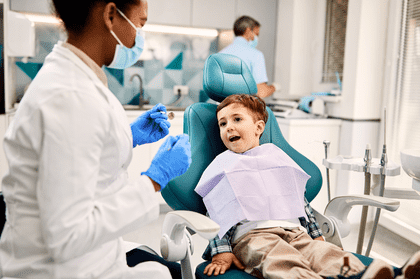
Dental emergencies in children can be frightening, especially for parents who are unprepared. When these emergencies arise, it’s crucial to react quickly and effectively. Whether it’s a sudden injury or a lost tooth, understanding the basics of emergency pediatric dental care can help ensure their oral health remains intact and minimizes the risk of long-term damage.
What Are the Common Dental Emergencies in Kids?
As a parent, it’s essential to be aware of the most common dental emergencies that can occur in children. While accidents can’t always be avoided, being prepared for potential scenarios can reduce stress and prevent further damage.
Excessive Gum Bleeding
If your child is bleeding from the gums, especially after a fall or impact, it could indicate trauma or injury. Applying gentle pressure with a clean cloth can help, but it’s essential to consult with a pediatric dentist if bleeding persists.
Cracked or Chipped Teeth
Falls or hard blows to the face can cause teeth to crack or chip. If a tooth is chipped, collect any pieces and keep them moist. For a cracked tooth, visit a pediatric dentist as soon as possible to prevent further damage.
Severe Dental Pain
Toothaches can be a sign of something more serious, such as an abscess or infection. Pain relief methods like a cold compress can provide temporary comfort, but prompt dental care is essential for proper diagnosis and treatment.
Dental Displacement
This occurs when a tooth becomes loose or is knocked out completely. In the case of a knocked-out tooth, it’s vital to preserve it in milk or saline. After that, see a dentist immediately to maximize the chances of replantation.
Metallic Taste in the Mouth
A sudden metallic taste in the mouth can be caused by a range of factors, including bleeding or a damaged filling. If it persists, consult a pediatric dentist for an evaluation.
Presence of a Lesion or Growth
If you notice unusual growths or lesions in your child’s mouth, it’s essential to seek dental care right away. These signs could indicate an infection or other serious issues.
Swelling
Swelling in the face or around the mouth can signal an infection or abscess. It’s crucial to see a pediatric dentist to prevent the infection from spreading.
Sudden Loss of a Tooth
Losing a tooth suddenly can be distressing, but if it’s a baby tooth, it’s part of the natural process. However, if it’s a permanent tooth, it’s critical to act fast by preserving the tooth and visiting a dentist immediately.
How to Prevent Dental Injury in Children?
If your child ever experiences any kind of dental crisis, seek help from our emergency pediatric dentistry in New York. However, taking preventive measures is always the best thing a parent can do. While dental injuries can happen unexpectedly, there are steps you can take to minimize the risk.
Emergency Dental Kit
Keeping an emergency dental kit at home can prepare you for a dental emergency. The kit should include gauze, a clean cloth, a tooth-saving container for knocked-out teeth, and over-the-counter pain relievers.
Consult with a Pediatric Dentist
It’s essential to establish a relationship with a pediatric dentist who specializes in handling emergencies. Regular dental visits can ensure your child’s teeth are healthy and strong, reducing the chances of emergencies.
Regular Dental Check-ups
Routine check-ups allow a pediatric dentist to catch potential issues early. Consistent visits to your dentist can prevent dental problems from becoming emergencies down the road.
What to Expect During a Pediatric Emergency Dental Visit?
During an emergency visit, the dentist will conduct a thorough examination and ask about symptoms. They may take X-rays to evaluate the extent of the injury. The goal is to provide immediate relief, stabilize the situation, and offer a long-term treatment plan to avoid complications.
Protect Your Kid’s Teeth with Us
If your child requires emergency pediatric dentistry in New York, then visit us immediately. Our dentists are here to provide your child with the care they need in urgent situations. Call us at 332-205-6779 now to ensure your child’s dental health is safe.