327 Central Prk W #1C, New York, NY 10025


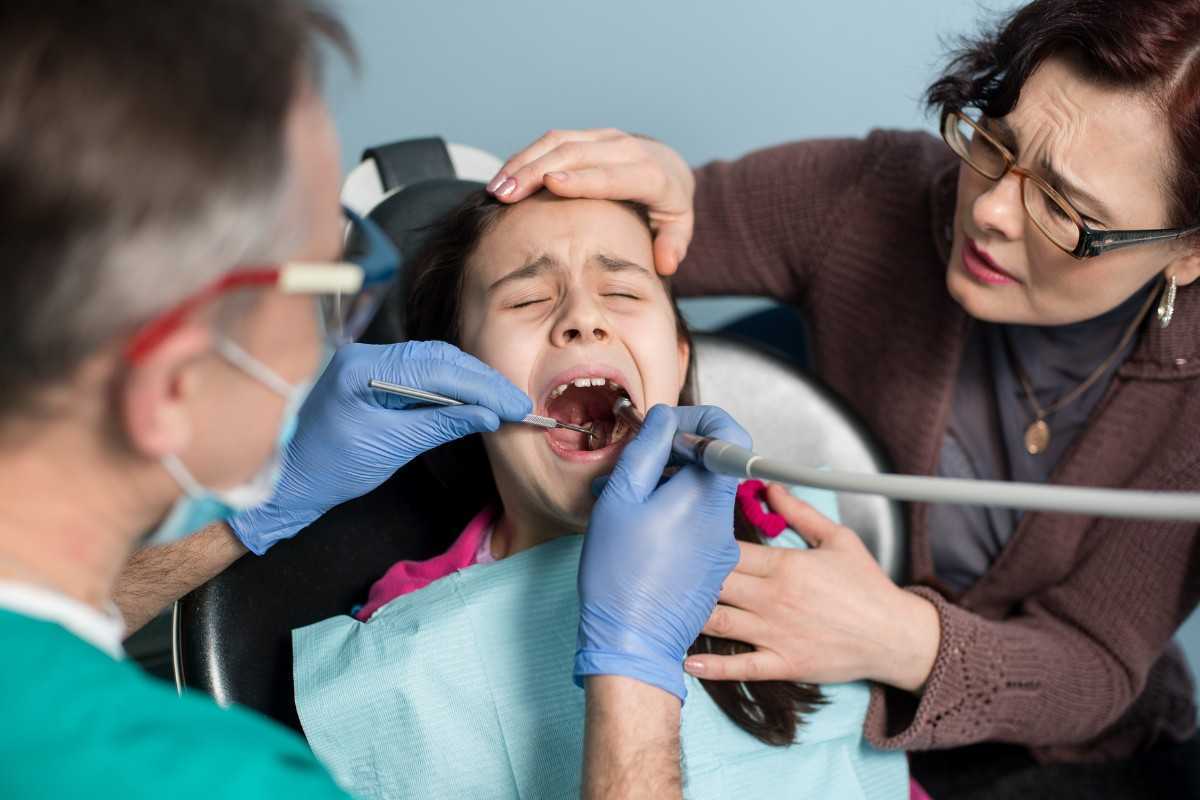
Has your child ever knocked out a tooth at the playground or woken up screaming from tooth pain in the middle of the night? As a parent, you know that moments like these are terrifying. The bigger question is – do you know what to do, and do you know how much time you actually have?
When it comes to a dental emergency, every minute counts. Waiting too long, even by a few hours, can mean the difference between saving a tooth and losing it for good. It can also mean a minor issue turning into a serious infection.
At Central Park West Pediatric Dentistry, our team of caring doctors is here to ensure your child receives the right care, right when they need it most. Here’s what every New York parent needs to know.
What Counts as a Pediatric Dental Emergency?
Not every toothache means you need to drop everything and rush to the dentist. But some situations do need immediate attention. Knowing the difference helps you act fast when it truly matters.
Common Dental Emergencies in Children
- Knocked-out permanent tooth- This is a true emergency. The tooth needs to be reimplanted within 30 minutes to have the best chance of saving it.
- Severe toothache- Ongoing pain, especially with swelling, can indicate infection. This needs same-day care.
- Chipped or cracked tooth- A crack can expose the inner nerve, leading to pain and risk of infection.
- Tooth pushed out of position- If a tooth looks displaced after an injury, don’t wait.
- Dental abscess or facial swelling- Swelling around the jaw or face is a warning sign that infection may be spreading.
- Object stuck between teeth- If flossing doesn’t help, don’t try to force it out. A dentist can remove it safely.
- Soft tissue injuries- cuts or bleeding in the gums, lips, or tongue from a fall or accident need proper evaluation.
If your child experiences any of the above signs, getting in touch with a pediatric dentist right away is the right move.
Why Every Minute Counts During a Child’s Dental Emergency
Life in New York is busy. Between school, after-school activities, and packed family schedules, it’s easy to think, “Maybe it’ll feel better by morning.” But with dental emergencies, that thinking can cost your child’s smile.
The Risks of Delaying Pediatric Dental Emergency Care
Here’s why acting quickly matters so much:
- Infections spread fast. A tooth abscess doesn’t stay in one place. The infection can spread to the jaw, neck, or even the bloodstream, which can become life-threatening if untreated.
- Tooth loss becomes permanent. For a knocked-out permanent tooth, there is a narrow window of about 30 minutes to one hour to save it. After that, re-implantation becomes far less likely to succeed.
- Baby teeth affect adult teeth. Many parents assume that baby teeth don’t matter much since they fall out anyway. This isn’t true. Damage to a baby tooth that goes untreated can injure the developing adult tooth waiting underneath.
- Pain affects your child’s daily life. Tooth pain makes it hard to eat, sleep, and focus in school. Kids in New York already have a lot on their plates. Unmanaged dental pain makes everything harder.
- Small problems become bigger ones. A minor chip or crack can quickly progress to a damaged nerve if left alone, turning a simple fix into a more involved procedure.
This is why emergency pediatric dentistry in New York is not just a convenience; it’s a necessity for any family with children.
What to Do Before You Reach the Dental Office
When a dental emergency happens, staying calm is the first step. Here’s what you can do at home while you prepare to come in.
For a Knocked-Out Tooth
Pick up the tooth by the crown, the white part, not the root. If it’s dirty, rinse it thoroughly with milk or saline solution. Do not scrub it. If possible, place the tooth back in the socket and have your child bite gently on gauze to hold it. If reinserting isn’t possible, put the tooth in a container of milk or your child’s saliva. Do not store it in tap water or let it dry out. Then head in immediately.
Note: This applies only to permanent teeth. Baby teeth should not be reinserted.
For a Toothache
Rinse your child’s mouth with warm salt water. Do not apply aspirin directly to the tooth or gum. A cold compress on the cheek can help with any swelling. Avoid giving your child sugary drinks or very hot or cold foods until they’ve been seen.
For a Chipped or Cracked Tooth
Rinse the mouth with warm water. If you find the broken piece, keep it moist and bring it along. Use a cold compress on the lips or cheeks to manage swelling.
For Soft Tissue Injuries
Apply gentle pressure with clean gauze or a cloth to stop bleeding. Use a cold compress for swelling. If the bleeding doesn’t stop after 10–15 minutes, or if there is major facial trauma, go to the emergency room.
How Immediate Care Protects Your Child’s Long-Term Oral Health
Parents often don’t realize how connected early dental care is to a child’s lifelong oral health. Getting fast help during an emergency isn’t just about treating today’s problem; it also protects your child’s future smile.
A pediatric dentist is trained specifically to work with children’s developing teeth and jaws. Children’s teeth are not just smaller versions of adult teeth. They grow, shift, and respond to injury differently. The right care at the right time keeps those developmental processes on track.
When you find a pediatric dentist in NYC who can handle emergencies calmly and quickly, your child gets the care they need while feeling safe and comfortable. A positive experience during a stressful situation can also help your child feel more confident about future dental visits.
We often see children who delay care after an injury. By the time they come in, what started as a treatable chip has become a root canal situation. Quick action always leads to simpler, faster, and less stressful treatment for your child.
Signs That Require Immediate Attention
Parents should call or visit our dental office right away if they notice:
- Swelling in the face or jaw- this can indicate a spreading infection.
- A tooth that has changed color- a tooth that turns gray or dark after an injury may be dying inside.
- A tooth that looks loose or pushed back- trauma can displace a tooth without knocking it out completely.
- Your child can’t open or close their mouth comfortably- This could indicate a jaw injury.
- Fever with dental pain- Fever alongside tooth pain is a serious warning sign of infection.
If you see any of these, do not wait for your next scheduled appointment. A pediatric dental emergency in New York needs same-day evaluation.
Helping Your Child Feel Calm During a Dental Emergency
Kids take cues from their parents. If you’re visibly panicked, your child will be too. Here are a few things that help:
- Speak in a calm, steady voice. Tell your child that help is on the way.
- Reassure them that you know what to do. Even if you’re scared, project confidence.
- Avoid saying things like “This is bad” or “I don’t know what to do.” Children hear everything.
- Let them hold a favorite toy or comfort item during the drive.
The team here is trained to work with children who are scared, in pain, or upset. Creating a calm environment for your child is something we take seriously at every visit.
Prevention Goes a Long Way
While you can’t prevent every accident, there are steps New York families can take to lower the risk of dental injuries:
- Wear a mouthguard during sports. Whether your child plays soccer in Central Park, hockey, or any contact sport, a custom mouthguard protects their teeth.
- Childproof your home. For younger children, padded table corners and stair gates reduce fall risk.
- Always buckle up. Car accidents are one of the most common causes of facial and dental trauma in children.
- Avoid chewing on hard objects. Ice, pen caps, and hard candies can crack teeth.
Don’t Wait, Your Child’s Smile Is Worth It
When your child is in pain or has had a dental accident, every minute matters. Fast, focused care protects their teeth, prevents complications, and puts them back to feeling like themselves sooner.
If you’re looking for prompt, caring emergency dental care for your child, visit our dental office and let our team take it from there. We welcome families throughout New York and the surrounding areas, and we are ready to help when you need us most.
Book an appointment today or call us right away in an emergency. We’re here for your child when it matters most.
Frequently Asked Questions
Q: How do I know if my child’s tooth injury is truly an emergency?
A: If your child is in significant pain, has swelling, has a knocked-out or very loose permanent tooth, or shows signs of infection, it needs same-day attention. When in doubt, call your dental office for guidance right away.
Q: Can a knocked-out baby tooth be put back in?
A: Baby teeth are generally not re-implanted because it can interfere with the permanent tooth underneath. However, you should still contact a dental office immediately so the area can be evaluated for any other injury.
Q: My child chipped a tooth but says it doesn’t hurt. Do we still need to come in?
A: Yes. Even without pain, a chip can expose sensitive inner tooth structure, which may later become painful or infected. It’s always safer to have it looked at as soon as possible.
Q: What if the dental emergency happens late at night or on a weekend?
A: Call your dental office as soon as possible. Many offices have after-hours guidance and can advise you on whether to come in immediately or manage symptoms until the morning. For major trauma or heavy bleeding, go to the ER.
Q: Is every toothache a dental emergency?
A: Not always, but an ongoing or severe toothache, especially with swelling or fever, should be evaluated the same day. A persistent toothache is your child’s body’s way of signaling that something is wrong.
Q: Can dental infections in children become serious?
A: Yes. Untreated dental infections can spread beyond the tooth into the jaw and surrounding tissues. If your child has facial swelling along with tooth pain, seek care immediately.